
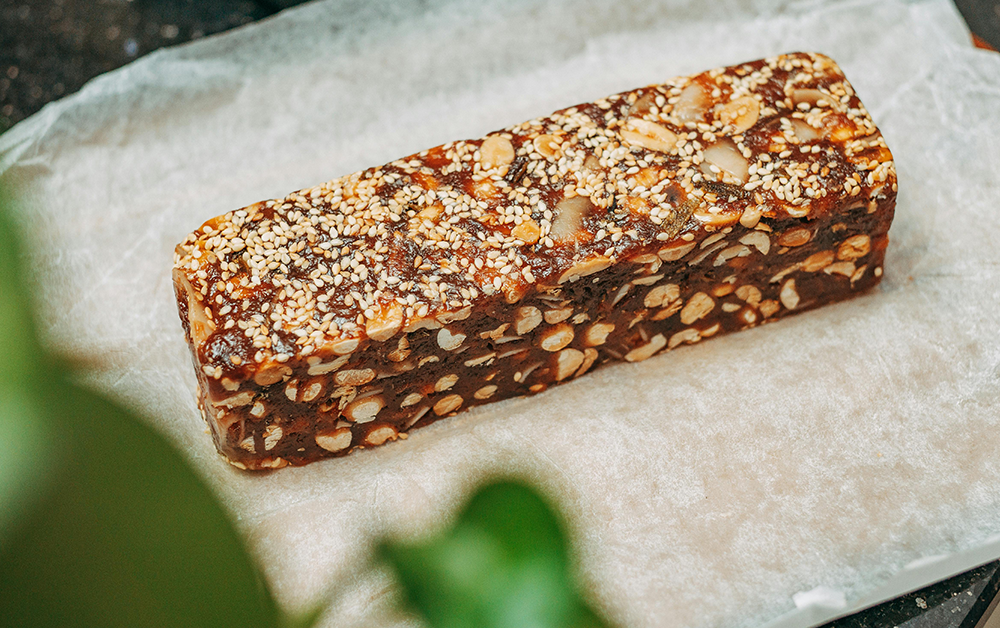
Choosing a healthy protein bar isn’t as simple as grabbing the one with the most protein or the fewest calories. With hundreds of options on the market, many bars marketed as “healthy” are actually loaded with added sugars, ultra-processed ingredients, or low-quality protein sources. In this guide, we break down what makes a protein bar healthy, the best and worst ingredients to look for, ideal protein-to-sugar ratios, and how popular protein bar brands truly compare, so you can choose the healthiest protein bars for your goals, digestion, and lifestyle.
Table of Contents
- Key Ingredients in Healthy Protein Bars
- Protein Content vs. Sugar – The Single Best Filter
- Healthy vs. Unhealthy Protein Bar Ingredients
- Cold-Pressed vs. Baked – Digestibility & Nutrition Winner
- Best Healthy Protein Bars Brand Comparison 2026
- How Many Protein Bars Can You Eat Weekly and Stay Healthy?
- Final 60-Second Protein Bar Buying Rules
- Current Tier List (Cleanest → Least Clean)
- Who Should Be Extra Careful When Choosing a Protein Bar?
- Frequently Asked Questions About Protein Bars
Key Ingredients in Healthy Protein Bars
A healthy protein bar should contain at least 15 grams of protein, 6 grams or less of added sugar, minimal ultra-processed ingredients, and a clean protein source listed among the first ingredients. Ideally, it should also be cold-pressed or minimally processed, free from inflammatory oils and sugar alcohols that cause digestive distress and made with ingredients that support satiety and blood sugar balance. These make the best protein bars for overall health.
Note: They’re a great addition to your health routine, but they are not a substitute for good overall nutrition and balanced minerals.
Protein Content vs. Sugar – The Single Best Filter
| Ideal Target | Green Light | Yellow Light | Red Light |
| Protein | ≥15 g | 12–14 g | <12 g |
| Added sugar | ≤6 g (ideally ≤3 g) | 7–10 g | >10 g |
| Protein-to-sugar ratio | ≥4:1 | 2:1 – 3:1 | <2:1 |
Healthy vs. Unhealthy Protein Bar Ingredients
| Green-Light Ingredients | Yellow-Light (use sparingly) | Red-Light (avoid) |
| Grass-fed whey isolate, collagen, egg white, beef, pea+rice blend | Milk protein isolate, whey concentrate | Soy protein isolate, caseinates |
| Nuts/seeds, chicory root, tapioca fiber | Soluble corn fiber, erythritol (<8 g) | Maltitol, IMO syrup, palm kernel oil |
| Monk fruit, allulose, stevia, small honey/dates | Sucralose (small amounts) | Acesulfame-K, artificial flavors |
Why These Ingredients Matter for Health and Digestion
Not all protein bars impact the body the same way—even if their macros look similar on paper.
- High-quality protein sources like grass-fed whey isolate, collagen, egg white, and beef protein are easier to digest and provide a more complete amino acid profile.
- Fibers like chicory root and tapioca fiber support gut health and blood sugar control when used in moderate amounts.
- Sugar alcohols and synthetic fibers (such as maltitol, IMO syrup, and excessive erythritol) may spike blood sugar or cause bloating, gas, and digestive discomfort—especially for people with IBS or sensitive digestion.
- Highly processed seed oils and artificial flavors can contribute to inflammation and reduce the overall nutritional value of the bar.
Choosing bars with recognizable, minimally processed ingredients helps ensure your protein bar supports long-term health—not just short-term convenience. Consider these ingredients when shopping for the healthiest protein bars.
Cold-Pressed vs. Baked – Digestibility & Nutrition Winner
Cold-pressed/raw → easier on the gut + higher nutrient retention Baked/extruded → more processed, slightly lower digestibility
Cold-Pressed vs. Baked Protein Bars: Which Is Better?
Cold-pressed, or cold-formed, protein bars are made without high heat. This process helps keep the proteins, fats, and micronutrients intact. It usually leads to:
- Better nutrient retention
- Easier digestion
- Fewer ultra-processed binders
Baked or extruded protein bars often need higher temperatures and extra stabilizers to keep their texture and shelf life. They aren’t necessarily unhealthy, but they tend to be more processed and can be harder for some people to digest.
For those who care about gut health and ingredient quality, cold-pressed protein bars are usually the better choice.
Best Healthy Protein Bars Brand Comparison 2026
| Brand | Protein / Added Sugar / Ratio | Calories | Fiber | Processing | Key Pros | Key Cons / Red Flags | Verdict (2025) |
| Stars + Honey | 15–18 g / ≤3 g / 5–6:1 | 190 | 9 g | Cold-pressed | Collagen + pea, no whey/dairy, incredible taste, prebiotic fiber | Premium price | Current gold standard – clean luxury |
| Epic / Chomps | 9–12 g / 0 g / ∞ | 100–130 | 0–3 g | Cold-formed | Grass-fed meat, zero sugar, micronutrient dense | Lower protein per bar | Best savory / keto option |
| RXBAR | 12 g / 0 g / ∞ | 210 | 5 g | Cold-pressed | Only 5–7 real ingredients | Date-heavy = higher natural sugar | Still excellent simple bar |
| Aloha | 14 g / 3 g / 4.7:1 | 240 | 13 g | Cold-pressed | Organic, plant-based, high fiber | Slightly denser texture | Top plant-based choice |
| Bulletproof | 11–13 g / 2 g / 5.5:1 | 220–240 | 9 g | Cold-pressed | Collagen + MCT oil, brain-focus fats | Uses erythritol + some sucralose | Good for keto + cognition |
| Perfect Bar | 15–17 g / 16–19 g / ~1:1 | 320 | 4 g | Refrigerated | Whole-food (nut butter + honey), 20+ superfoods | Very high sugar & calories | Treat / post-workout only |
| Barebells | 20 g / 1–3 g / 7–20:1 | 200 | 3–6 g | Baked | Soft milkshake-like texture, high protein | Milk protein blend + sucralose/acesulfame-K | Tastes amazing, but artificial sweeteners |
| Quest | 20–21 g / 1 g / 20:1 | 190 | 14 g | Baked | Highest protein, low calorie | Soluble corn fiber + sucralose → major bloating for many | Only if you tolerate SCF perfectly |
| GoMacro (MacroBar) | 11–12 g / 9–14 g / ~1:1 | 260 | 3 g | Cold-pressed | Organic, vegan, whole-food | High in dates/honey = high natural sugar | More energy bar than protein bar |
How Many Protein Bars Can You Eat Weekly and Stay Healthy?
| Lifestyle / Sensitivity | Max Clean Bars/week (Stars + Honey, Epic, Aloha, RXBAR, Bulletproof) | Max “Tasty but Compromise” Bars/week (Barebells, Quest) | Max “Treat” Bars/week (Perfect Bar, GoMacro) |
| General healthy adult | 7–10 | 4–6 | 1–3 |
| Fat loss / low-carb / keto | 10+ (zero-sugar options) | 5–7 | 0–1 |
| IBS / SIBO / bloating-prone | 3–5 (rotate low-FODMAP) | 0–2 (Quest especially risky) | 0–1 |
| Heavy lifter needing 200+ g protein/day | 10–14 (as supplements) | 7–10 | 2–4 |
Final 60-Second Protein Bar Buying Rules
- Added sugar ≤6 g (≤3 g = elite)
- No maltitol, IMO syrup, or palm kernel oil
- Protein source in first 3 ingredients
- Prefer cold-pressed when possible
- If it needs to be refrigerated (Perfect Bar) or tastes like candy (Quest/Barebells), treat it as occasional
Current Tier List (Cleanest → Least Clean)
S-Tier (daily driver): Stars + Honey, Epic/Chomps, RXBAR, Aloha
A-Tier (very good): Bulletproof, Legion, No Cow
B-Tier (great taste, some compromises): Barebells, Quest (if tolerated)
C-Tier (occasional treat): Perfect Bar, GoMacro
Who Should Be Extra Careful When Choosing a Protein Bar?
Certain protein bars may not be ideal for everyone. You may want to be especially selective if you:
- Have IBS, SIBO, or frequent bloating → Avoid bars high in sugar alcohols, inulin, or soluble corn fiber.
- Follow a low-carb or keto diet → Look for bars with minimal net carbs and no hidden starches or syrups.
- Are sensitive to dairy → Choose egg white, beef protein, or collagen-based bars.
- Use protein bars as meal replacements → Prioritize higher fiber (8–12g), healthy fats, and sufficient calories to avoid blood sugar crashes.
Whether you are seeking a meal supplement or replacement or looking to add some nutrition before or after a workout, a protein bar may be good to have as an option. There are many choices of tastes and ingredients from which to choose and easy to carry with you.
Let us know your favorites and why. We would love to hear from you.
Frequently Asked Questions About Protein Bars
Are protein bars actually healthy?
Protein bars can be healthy when made with high-quality protein, minimal added sugar, and low-processed ingredients. Many mainstream bars are better classified as candy bars with added protein. Go for low sugar protein bars.
Is it okay to eat a protein bar every day?
Yes, if the bar is clean and fits your nutritional needs. Whole foods should still make up the majority of your diet. But if you need a quick pick-me-up at work, a protein bar may be a good choice.
What is the healthiest protein bar ingredient list?
Short ingredient lists with recognizable foods such as whey isolate, collagen, nuts, seeds, and natural sweeteners like monk fruit or honey.
Are plant-based protein bars healthier?
Not necessarily. Many plant-based bars are higher in carbs, sugars, and processed fibers. Ingredient quality matters more than whether a bar is vegan.