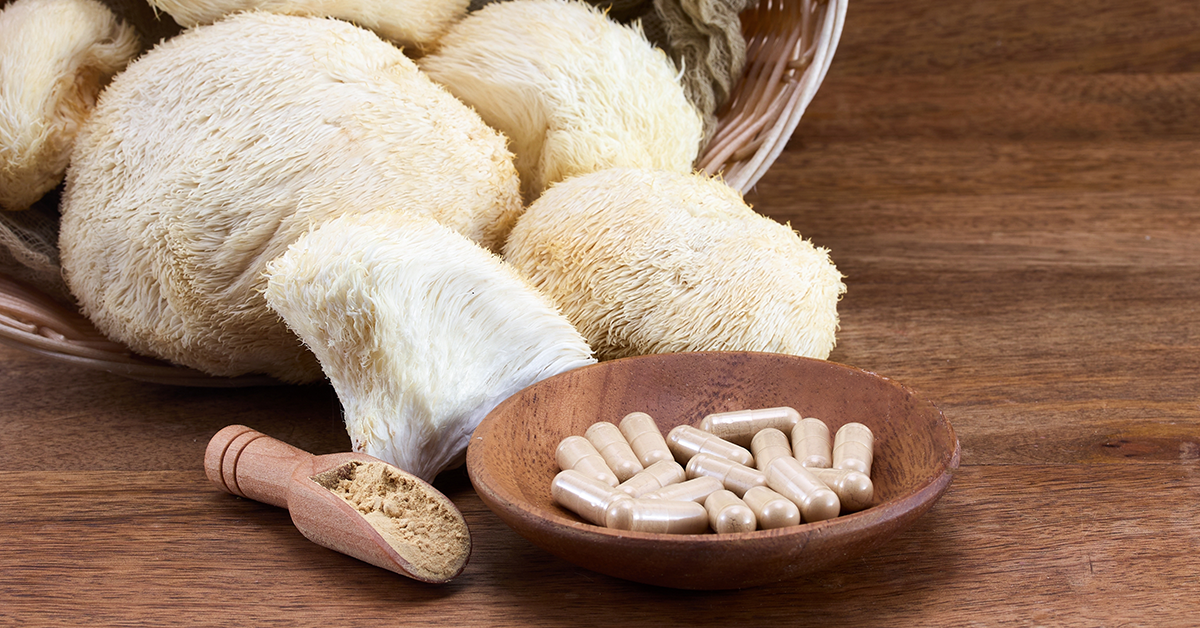
Functional mushrooms are popping up on feeds everywhere. And the spotlight on them is shining brighter every day. But it’s time to look beyond the buzz. What are functional mushrooms? And why are they being used in people’s daily routines?
You’ve heard of lion’s mane for focus or reishi for relaxation. But you aren’t sure where to start. Well, this guide is a good starting point. It will walk you through everything you need to know about the basics of functional mushrooms. We’ll cover its history, benefits, and how to make them work for you in your everyday life.
Our Preferred Functional Mushroom Brands
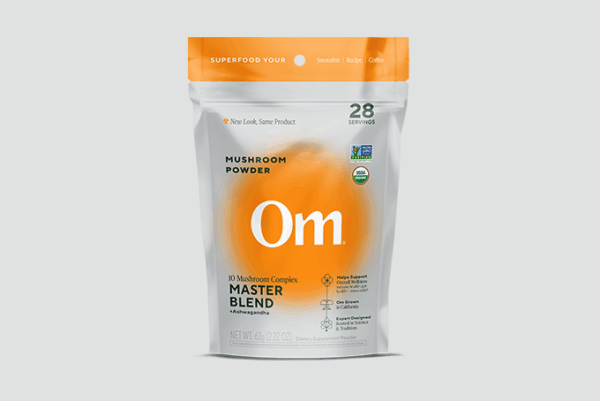
There are a few things to keep an eye out for when choosing a functional mushroom brand. The main criteria are quality, efficacy, and transparency. A trustworthy brand will clearly state the species, active compounds, and extraction methods.
To ensure safety and effectiveness, third-party testing for purity and potency is ideal. Also, check if they’re sustainably sourced and have clinically backed formulations. Choose brands combining sources of integrity, science, and clear labeling.
Our preferred functional mushroom brands are Om Mushroom Superfood and M2 Ingredients.
They operate a high-capacity 155,000 sq. ft. facility in Vista, CA—the largest functional mushroom grower in the western hemisphere.
Why We Choose Om Mushroom Superfood and M2 Ingredients
- They are committed to product quality and food safety. They earned the industry’s most prolific food safety rating, receiving the prestigious BRCGS, which requires devotion to high standards across all operational, food safety, and quality controls.
- Each of their products is sent for third-party testing to ensure quality.
- They are Regenerative Organic Certified, ensuring products uphold the strictest standards of organic integrity while championing environmental renewal and equitable social practices.
- They are USDA Organic, NON-GMO Project Verified, Kosher, and Gluten Free.
- Each of their products contains 1,000mg or more of mushroom powder in each serving.
What Are Functional Mushrooms?
Functional mushrooms are types of fungi that offer potential health benefits. Unlike culinary mushrooms, functional mushrooms have been studied for their bioactive compounds. These include natural substances like beta-glucans, polysaccharides, and antioxidants. They have the potential to support everything from immunity to brain health.
They’re often used in powders, capsules, tinctures, teas, and even snacks or coffee blends. You might not always taste them, but you may feel their effects. This is especially the case with consistent use.
10 Health-Forward Mushroom Species:
Reishi (Ganoderma lucidum)
Known as the “mushroom of longevity,” reishi supports relaxation, immune defense, and overall balance. It’s valued for its adaptogenic qualities that help the body cope with stress.
Lion’s Mane (Hericium erinaceus)
Celebrated for its brain-boosting potential, Lion’s Mane promotes focus, mental clarity, and nerve health—making it a favorite for cognitive support and creativity.
Chaga (Inonotus obliquus)
Packed with antioxidants, Chaga helps defend against oxidative stress and supports healthy immune function. It’s often called the “king of mushrooms” for its wellness-boosting power.
Cordyceps (Cordyceps militaris)
A natural energy enhancer, Cordyceps supports endurance, oxygen uptake, and vitality—ideal for performance and recovery without the jitters of caffeine.
Turkey Tail (Trametes versicolor)
Rich in polysaccharides and prebiotics, Turkey Tail helps nourish the gut microbiome and strengthen immune resilience.
Maitake (Grifola frondosa)
This nutrient-dense mushroom promotes metabolic health and immune balance while supporting healthy blood sugar levels.
Shiitake (Lentinula edodes)
A culinary and functional favorite, Shiitake supports heart health, immune defense, and overall vitality thanks to its beta-glucan content and rich nutrient profile.
Tremella (Tremella fuciformis)
Known as the “beauty mushroom,” Tremella supports skin hydration and elasticity while providing antioxidant and immune benefits.
These mushrooms are not psychoactive (no hallucinations here) and have a long history of safe use in traditional medicine systems. Traditional Chinese Medicine (TCM) and Ayurveda have a long history of using functional mushrooms.
A Brief History of Functional Mushrooms
Long before wellness influencers started adding mushrooms to lattes, people used them for a variety of reasons. And this dates back thousands of years.
Evidence shows that ancient cultures used mushrooms for both food and medicine as far back as 4,000 years ago. In TCM, reishi was a symbol of vitality and longevity and only available to royalty.
Shiitake and maitake were cultivated and prized in Japan for healing potential and flavor. Chaga was used as an endurance and immune strength tonic by Indigenous Siberian and Northern European communities. Also, ancient Greeks and Romans ate mushrooms for energy and recovery.
Until the 20th Century, Western medicine overlooked the potential of mushrooms. However, modern science is catching up, backing traditional use with clinical research. Today, studies are discovering how functional mushrooms support energy, immune function, cognition, and much more.
What Are the Benefits of Functional Mushrooms?
Functional mushrooms have many benefits that more people are just now starting to recognize. There are different species that provide unique bioactive compounds that may improve health in various ways.
Here are some of the most researched and widely discussed benefits of functional mushrooms:
-
Immune Support
A good number of functional mushrooms are rich in beta-glucans, which are complex polysaccharides that help regulate the immune system. Reishi, chaga, and turkey tail are just some of the examples. They don’t necessarily “boost” your immune system. They help balance it. How? They support your body’s ability to respond to stressors or pathogens appropriately.
Get this benefit from: Reishi, Chaga, Turkey Tail, Maitake, and Shiitake
-
Cognitive and Nerve Health
One of the most studied mushrooms for your brain is lion’s mane. There are compounds in it called hericenones and erinacines that may stimulate growth of nerve cells and assist cognitive function. Early research shows that it could support memory, focus, and mood regulation.
Get this benefit from: Lion’s Mane
-
Energy and Endurance
Cordyceps shows promise in improving oxygen utilization and ATP production. This boosts stamina and reduces fatigue. You might’ve seen cordyceps in pre-workout blends, which makes sense. It’s a favorite among athletes across all sports.
Get this benefit from: Cordyceps
-
Stress and Sleep Support
Reishi has adaptogenic properties, meaning it helps your body adapt to stress. It’s typically taken as a nighttime supplement or tea. Many people that use reishi report more restful sleep and a sense of calm after steady, consistent use.
Get this benefit from: Reishi
-
Antioxidant Protection
Mushrooms such as chaga have plenty of antioxidants. They can help in neutralizing free radicals, which potentially reduce oxidative stress and inflammation. Chaga is usually associated with healthy aging and immune resilience.
Get this benefit from: Chaga and Tremella
-
Gut and Metabolic Health
Maitake, shiitake, and turkey tail all have prebiotic fibers, which support a healthy gut microbiome. They also have potential in helping to balance blood sugar levels and cholesterol—research is ongoing.
Get this benefit from: Maitake, Shiitake, and Turkey Tail
How to Use Functional Mushrooms
Functional mushrooms are versatile. So, you don’t have to eat them raw to get their benefits.
Check out some easy ways to incorporate them into your daily routine:
- Powders: Add to smoothies, coffee, matcha, or soups
- Capsules/Tablets: Convenient for daily use with consistent dosing
- Tinctures: Fast-absorbing liquid extracts you can drop into water, tea, or other drinks
- Functional Foods & Beverages: Find them in snack bars, chocolate, protein mixes, or mushroom coffee
Pro tip: Look for products that list the fruiting body (the actual mushroom) rather than just mycelium (the root structure). Fruiting bodies usually have higher levels of active compounds. And opt for dual-extracted products (water + alcohol extraction) for the most bioavailability.
Are Functional Mushrooms Safe?
For many, functional mushrooms are a safe way to refine your health. However, like any other supplement, quality plays a big factor. Poorly sourced mushrooms supplements may contain contaminants or fillers.
Keep in mind that mushrooms may interact with certain medications–especially immune-modulating drugs. Before adding any supplement to your daily routine, it’s always a good idea to consult your healthcare provider or PCP.
Modern Science Meets Ancient Wisdom
With functional mushrooms, ancient wisdom and modern research are starting to align.
Mushroom extract studies are now being conducted at universities and biotech companies. They are researching benefits for immune support, neuroprotection, and even cancer therapies. Current evidence is promising. However, larger human trials are needed. What’s clear is that fungi have more to offer people than flavor.
Mushrooms bridge nutrition and natural medicine, offering a safe, sustainable way to support your overall wellbeing.
Functional Mushrooms FAQs
- What exactly are functional mushrooms?
Functional mushrooms are non-psychedelic fungi known for their health-supporting compounds, such as beta-glucans and antioxidants. They’re used for immune, cognitive, and energy support.
- What are the most popular functional mushrooms?
Lion’s mane, reishi, chaga, cordyceps, turkey tail, shiitake, and maitake are the most commonly used types.
- Do functional mushrooms really work?
Early research and centuries of traditional use suggest they offer real benefits. This includes support for immune balance, brain health, and stress. However, effects vary by individual and depend on product quality and consistency of use.
- Can you take multiple functional mushrooms together?
Yes! Many people use mushroom blends to combine complementary effects. Example: reishi for relaxation and cordyceps for energy. Just make sure dosages are balanced. And check with your healthcare provider before adding any supplements to your routine.
- Are functional mushrooms safe to take every day?
In general, yes. Most people use them daily for consistent benefits, similar to taking vitamins or adaptogens. But always start with small doses and consult a healthcare professional, especially if you’re on medication.
- Do they have any side effects?
Functional mushrooms are typically gentle, but some people may experience mild digestive discomfort or allergic reactions. Always buy from trusted brands that perform third-party testing.
Start Simple with Functional Mushrooms
Functional mushrooms aren’t just a wellness trend. They’re part of a centuries-old tradition backed by growing modern science. If you want natural focus support, immune balance, or just a calmer start to your day, functional mushrooms are a fantastic choice.
Start simple. Try a lion’s mane coffee or reishi tea and see how your body responds. You may find that they are the perfect fit to support your daily routine.